Prevailing wind is not a promise. It is a pattern. The actual forecast always wins. Still, knowing the local wind personality helps you choose better bases, avoid unrealistic itineraries, and understand why a skipper may suggest changing the route.
Greece: Ionian, Saronic, Cyclades
Greece has several different sailing personalities. The Ionian is generally the friendliest for relaxed family charters, with lighter morning conditions and afternoon breezes. The Saronic Gulf can also be manageable, though exposed passages still require attention.
The Cyclades are the famous windy area. In summer, the Meltemi can blow strongly from the north and create rougher seas between islands. It can last several days, especially in July and August. This does not mean you should avoid the Cyclades, but you should avoid fixed hotel-style expectations. The route must be able to bend.
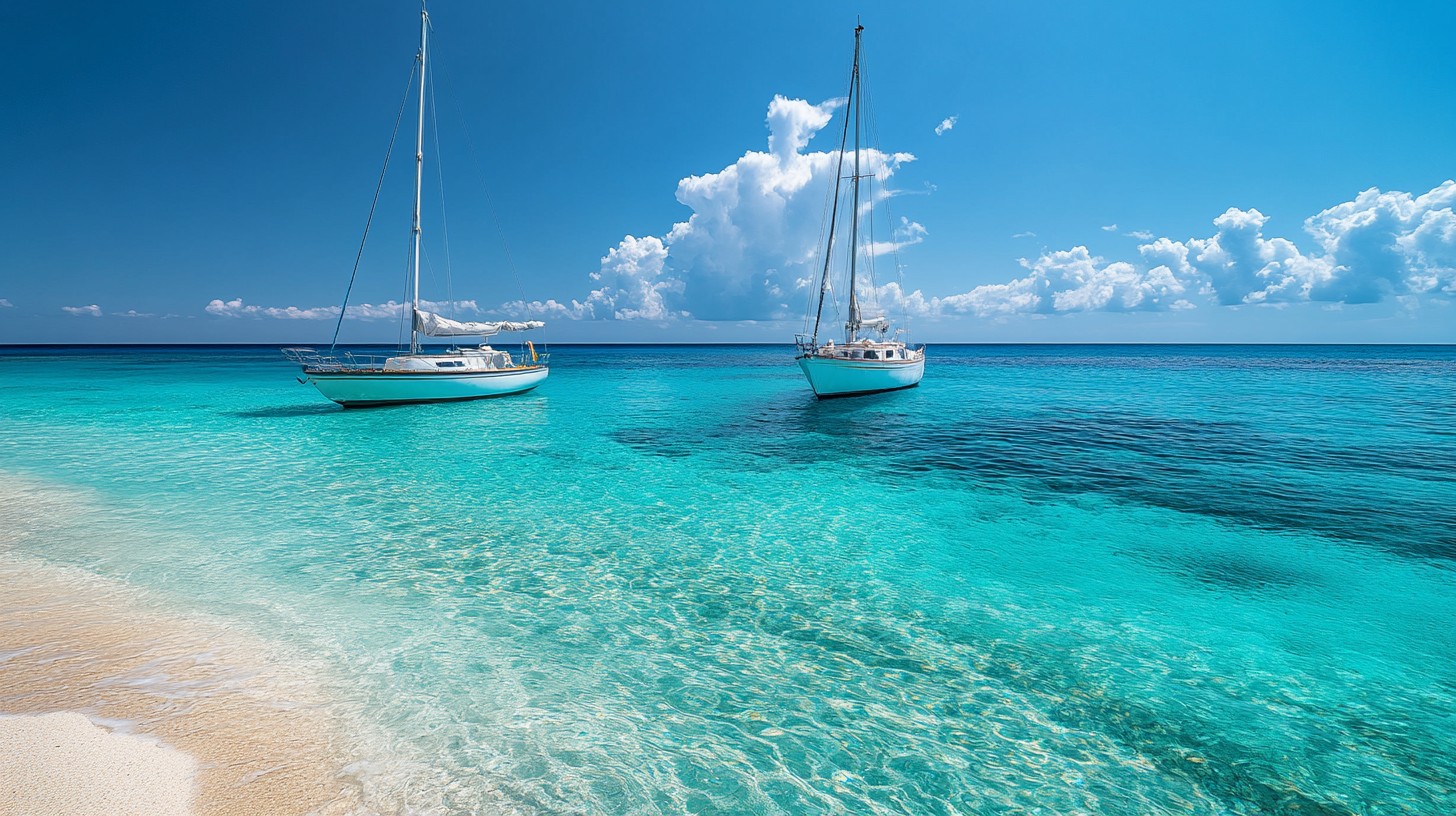
Croatia: Maestral, Bora, and Jugo
Croatia often gives comfortable summer cruising with a useful afternoon Maestral sea breeze. This is one reason the Dalmatian coast is so popular for charter holidays: mornings can be calm, afternoons bring movement, and island distances are manageable.
The serious winds are the Bora and Jugo. Bora is a cold, dry, often gusty wind from the north-east. It can arrive suddenly and can be much stronger near channels, capes, and mountain gaps. Jugo blows from the south-east and can build swell, cloud, rain, and uncomfortable harbour conditions. For charter clients, the safest habit is simple: respect the forecast and do not force an exposed passage to keep a restaurant booking.
Italy: local sea breezes and exposed coasts
Italy is not one wind system. Sardinia, Sicily, Tuscany, the Amalfi Coast, and the Aeolian Islands all behave differently. In many summer cruising areas, thermal breezes build during the day and soften later. Around Sardinia and the Strait of Bonifacio, stronger winds deserve particular respect.
The Mistral can influence the western Mediterranean and create strong conditions, especially around Sardinia and Corsica. Italy is wonderful for sailing, but the correct route often depends on choosing the right side of an island for the forecast.
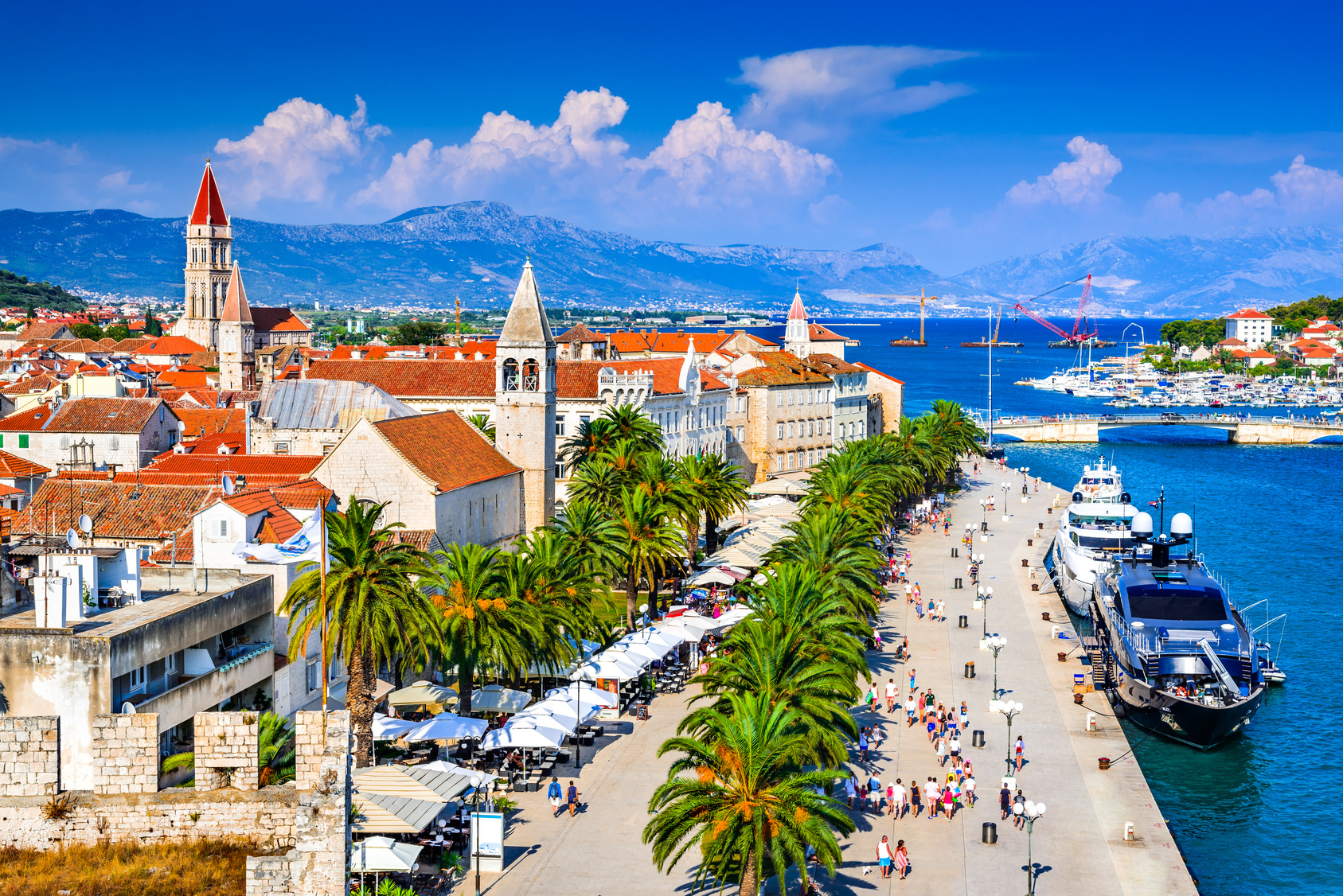
Seychelles: trade-wind sailing
Seychelles is shaped by trade winds and transition periods. Around the calmer shoulder months, passages can feel easier and anchorages more comfortable. During stronger trade wind periods, route planning becomes more important, especially if the crew wants short swims, beaches, and relaxed island hopping rather than sporty passages.
Thailand: monsoon direction matters
Thailand has beautiful yacht charter areas, but the wind and rain pattern depends on coast and season. Around Phuket and the Andaman Sea, the dry north-east monsoon season is the classic cruising window. During south-west monsoon periods, exposed west-facing anchorages can become less comfortable.
How to use this when planning
Do not build a sailing itinerary as a straight line of promises. Build it as a set of attractive options. Choose a base with several route directions, keep early passages short if the crew is new, and let stronger wind days become marina days, beach days, or short protected hops.
The best charter experience is not the one that ignores the wind. It is the one that lets the wind improve the holiday without controlling it.
Let the route adapt to the forecast
Boatello route planning can combine your destination, yacht type, crew experience, marina stops, and weather windows into a more realistic holiday plan.
Generate a route preview